
Italy: Discover the Allure of Rome
Rome, Italy holds a special place in my heart because I spent an incredible semester abroad at the Loyola University John Felice Rome Center during my college years. Taking my lead, my daughter also embraced international travel while attending the Catholic University of America Rome Center - we were delighted to head to Italy and visit her on her birthday! Rome is a city that will capture your imagination and your heart with its rich history, stunning architecture, welcoming people, amazing food, and vibrant culture. Personally, I love the older architecture, the aesthetic qualities of massive arches, imposing doorway, domes, mosaics in churches, and lots of fountains.
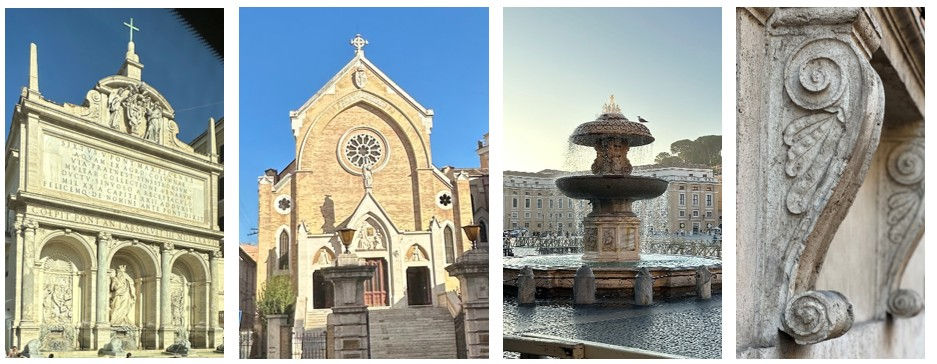
Walking through its streets feels like stepping back in time, where ancient ruins sit alongside lively piazzas and modern life pulses through centuries-old neighborhoods. Whether you are a history buff, an art lover, or simply someone who enjoys beautiful architecture and delicious food, Rome has something to captivate you. Walking tours are a great way to see Rome - there are both smaller guided tours and free ("pay what you like") tours. If your time is limited, you could also try the "hop-on-hop-off" bus.
Sights to Explore When in Rome
Rome is often called the Eternal City because of its timeless appeal. It is home to some of the world’s most famous landmarks - including the Colosseum, the Vatican, and the Pantheon - some of Rome's UNESCO world heritage sites. Beyond the monuments, Rome offers a lively street life, delicious cuisine, and a warm Mediterranean climate. The city’s layers of history—from the Roman Empire to the Renaissance—are visible everywhere, making it a living museum. Whether you are marveling at ancient ruins, admiring Renaissance art, or enjoying a gelato in a lively piazza, Rome invites you to step into its story and create your own unforgettable memories.
The Colosseum
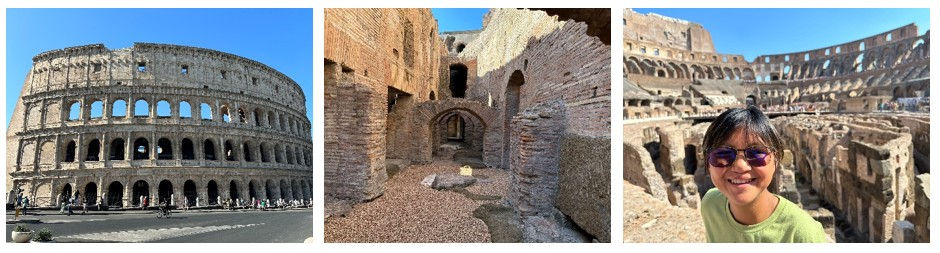
The Colosseum is Rome’s most iconic symbol. Just imagine - this ancient amphitheater once hosted gladiator battles and public spectacles to cheering crowds of 50,000 nearly 2,000 years ago. Today, it stands as a powerful reminder of Roman engineering, grandeur, and entertainment. The Colosseum’s sheer size and history make it a must-visit for anyone coming to Rome. You can explore the vast interior to see the arena floor, underground passages, and seating areas. We booked a guided tour to step back in time and gain a deeper insight into its history and architecture. The tour we chose allowed us to explore the underground tunnels where gladiators and animals were once held, an area not freely accessible to visitors: "Colosseum Underground Tour with Skip-the-Line Entry." Our tickets also included access to the Roman Forum and Palatine Hill, where the ruins of several important government buildings from ancient Roman times sit.
Vatican City and St. Peter’s Basilica
Vatican City is the world's smallest independent country and serves as the spiritual center of the Roman Catholic Church. St. Peter’s Basilica, with its breathtaking dome designed by Michelangelo, stands out in the skyline. Inside, you'll discover incredible artwork, including Bernini’s Baldachin and Michelangelo’s Pietà. The Vatican Museums are home to the Sistine Chapel, the Pope’s official chapel. The 134-foot Sistine Chapel is renowned for its magnificent 12,000 square feet of frescoes and rich history. Within, you'll find a barrel-vaulted ceiling brought to life by Michelangelo, who painted it between 1508 and 1512. One of the most iconic images, and my favorite, is "The Creation of Adam," where God extends his hand to give life to Adam. But the Sistine Chapel is much more than just a religious site; it’s a monumental achievement in art and architecture that truly captures the essence of the Renaissance.
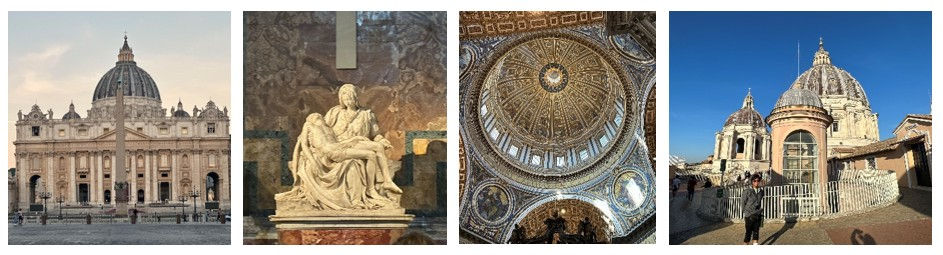
Millions of people visit the Vatican Museum every year! Arriving early or booking skip-the-line tickets helps avoid long waits. Because I wanted a more unforgettable (and less crowded) experience, we booked a guided tour: "St. Peter's Dome Climb and Sistine Chapel Combo Tour." Climbing the 320 steps to the top of the Dome was rewarded with closer views of the mosaics along the way, followed by spectacular views of Rome. Our skip-the-line access included entry to St. Peter's Basilica, papal crypts, and the Sistine Chapel. Tip: entrance into any religious site requires a strict dress code; knees and shoulders must be covered for both men and women.
Roman Forum and Palatine Hill
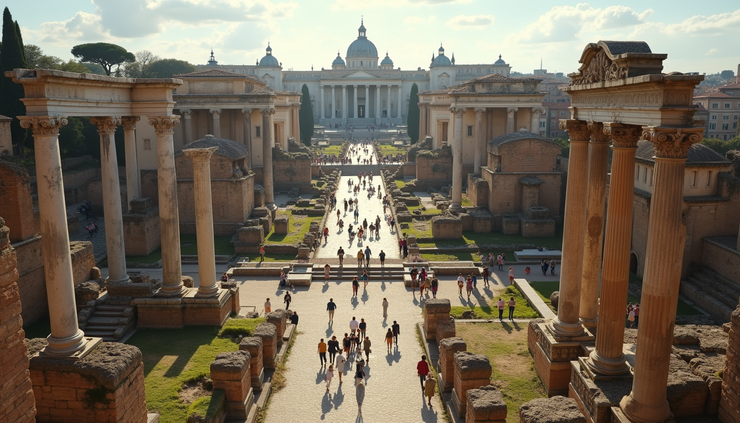
The Roman Forum was the heart of ancient Rome’s public life. It contains ruins of temples, basilicas, and marketplaces where political, religious, and social activities took place. Walking through the Forum offers a glimpse into the daily life of Romans thousands of years ago. The nearby Palatine Hill provides panoramic views of the area.
The Pantheon
The Pantheon is one of the best-preserved ancient Roman buildings. Its massive dome with a central oculus remains an architectural marvel. Originally a temple to all gods, the Pantheon now serves as a church. The Pantheon’s harmonious proportions and classical design make it a must-see for anyone interested in Roman engineering and art.
Spanish Steps
The Spanish Steps is another iconic landmark. This wide staircase is a popular meeting place and great for people-watching. The 135 stairs of the Spanish Steps connect Piazza di Spagna with the Trinità dei Monti church at the top, with the twin bell towers. The terrace at the top offers sweeping views of Rome. Nearby, you will find historic fountains and charming streets perfect for exploring. Facing the top of the Steps is Via Condotti, known for its luxury shops including Prada, Gucci, Jimmy Choo, Hermès, and Montblanc - and many more! - still fun to check out even if you are only "window shopping."
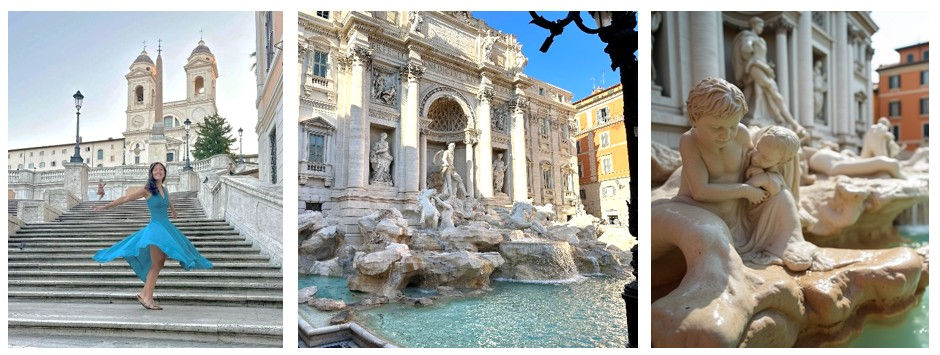
The Spanish Steps are about a 10-minute walk from the Trevi Fountain and estimated 15-20 minute walk from the Vatican.
Trevi Fountain
The 86-foot high Trevi Fountain is the largest 18th century Baroque fountain in Rome and a favorite spot for visitors. The fountain’s intricate sculptures and flowing water create a magical atmosphere, especially at night when it is beautifully lit - while nearby cafes offer a perfect place for you to relax after visiting. Legend says that tossing a coin into the fountain ensures a return to Rome... so of course we all tossed in a coin (or two... or three!). Plus, the coins go to a good cause; it is estimated that over a million euros in coins are donated to the Catholic charity in Rome each year.
Piazza Navona
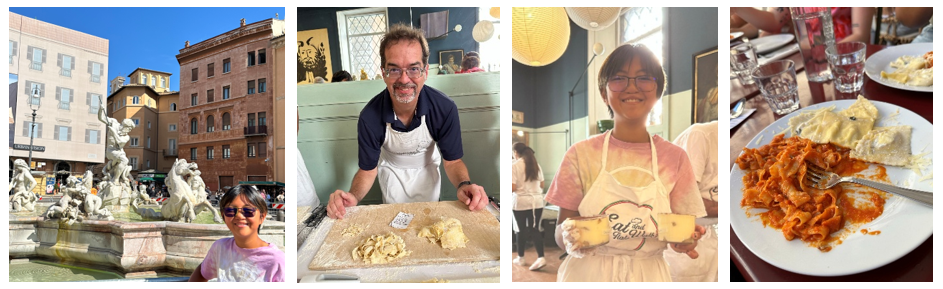
Piazza Navona, a lively pedestrian-only square known for its Baroque architecture and fountains, was built in the 1st century AD. The centerpiece is the Fountain of the Four Rivers by Bernini, surrounded by cafes and street artists. We stopped in the Piazza on the way to our cooking class. It was perfect place to enjoy coffee while watching street performers.
Exploring Food in Rome
Italy can make even the most disciplined eater reconsider every rule. There is fresh pasta, gelato in nearly every town square, long lunches, late dinners, crusty bread, local wine, and pastries that look too good to skip. The good news is that eating well in Italy does not mean saying no to everything that makes the trip memorable. The best approach is simple: eat fresh when you can, savor the special things, stop before discomfort, and keep moving through the streets, markets, coastlines, and piazzas that make Italy such a pleasure to explore.
Are you a fan of Italian cuisine? Enjoy a hands-on cooking class in Rome with family and friends! There are many options, like pasta or yummy dishes featuring hazelnuts. Being Italian food enthusiasts, I discovered and reserved an extended 3-hour hands-on class: "3 in 1 Cooking Class Piazza Navona: Fettuccine, Ravioli, and Tiramisu." It was an incredibly delicious experience!
The key to eating is to think in terms of the whole day, not one perfect meal. The goal is balance. Healthy eating in Italy often feels easier because many everyday meals are built around fresh ingredients. To balance off the cost of tour tickets - instead of eating out at restaurants for every meal, you could shop at the market for your own breakfast of fruits, nut, and yogurt, or pack a picnic-style lunch. Fresh foods with simple ingredients are also readily available when eating out, such as a plate of grilled fish with vegetables, pasta with fresh tomato sauce, bean soup, caprese salad, or roasted chicken. Meals in Italy are rarely meant to be rushed. Slower eating makes it easier to notice when enough is enough.
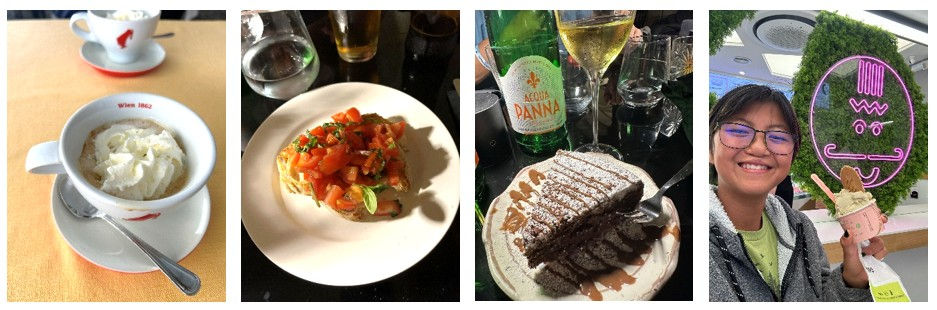
A trip to Italy should include the foods that make Italy special. The trick is to choose what truly matters to you. Do not spend energy resisting a handmade pasta dish, then casually eat packaged snacks from a train station because hunger caught up with you. Save room for food worth remembering. Maybe that means gelato after lunch, then balance it with a lighter dinner. Or if breakfast is a cornetto and cappuccino, add fruit, yogurt, or eggs later when available. Consider sharing desserts. Maybe it means pizza for dinner and a long walk afterward.
One of the best parts of visiting Italy is how naturally walking fits into the day. Historic centers are often compact, scenic, and easier to explore on foot than by car. A morning walk to a market, a long stroll between churches and museums, or an evening passeggiata (leisurely walk) after dinner can add a lot of movement without feeling like exercise. This reminiscing makes me want to head back to Rome right now!
Explore my other travel blogs (links below).
Feel free to email me feedback using the link in the page footer.
